


Product Description
Introduction
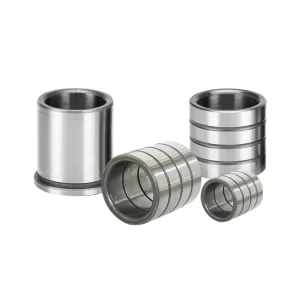
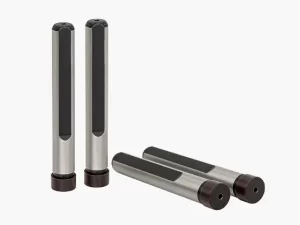
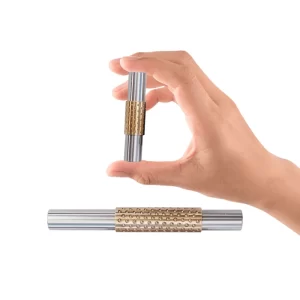
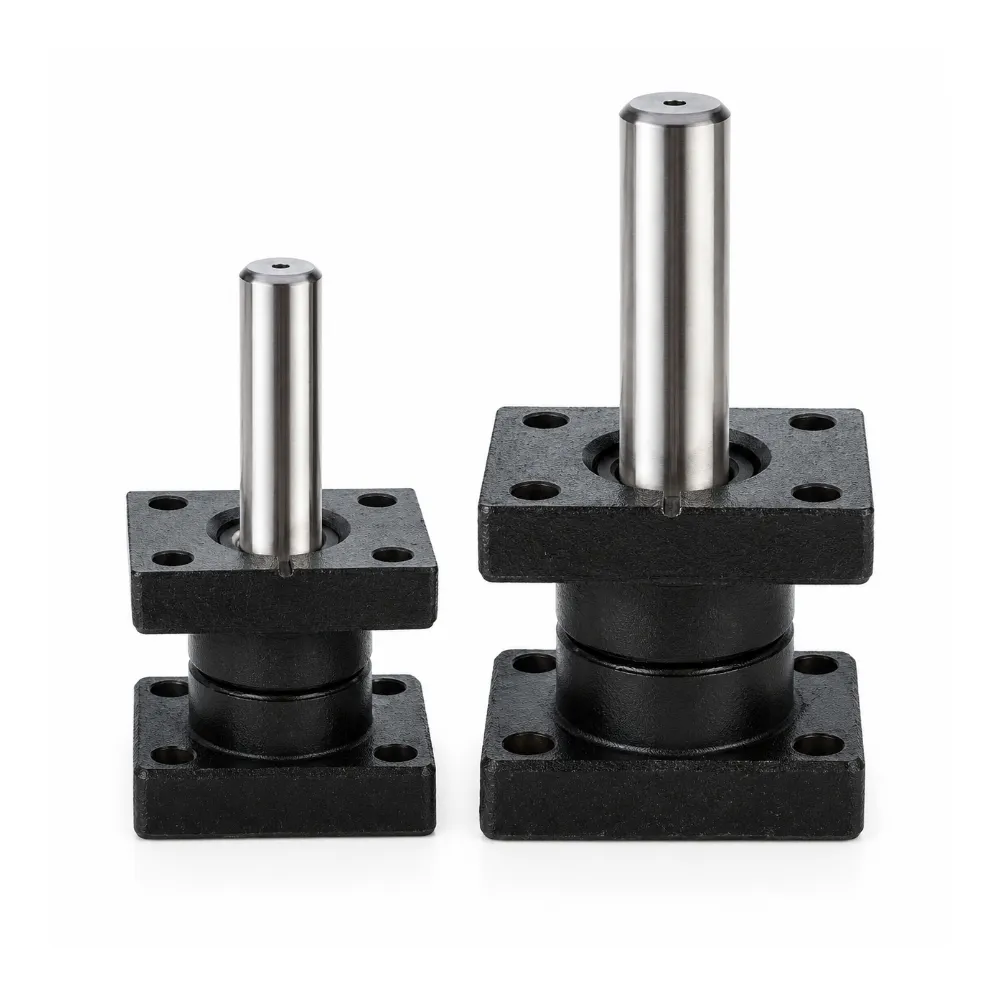
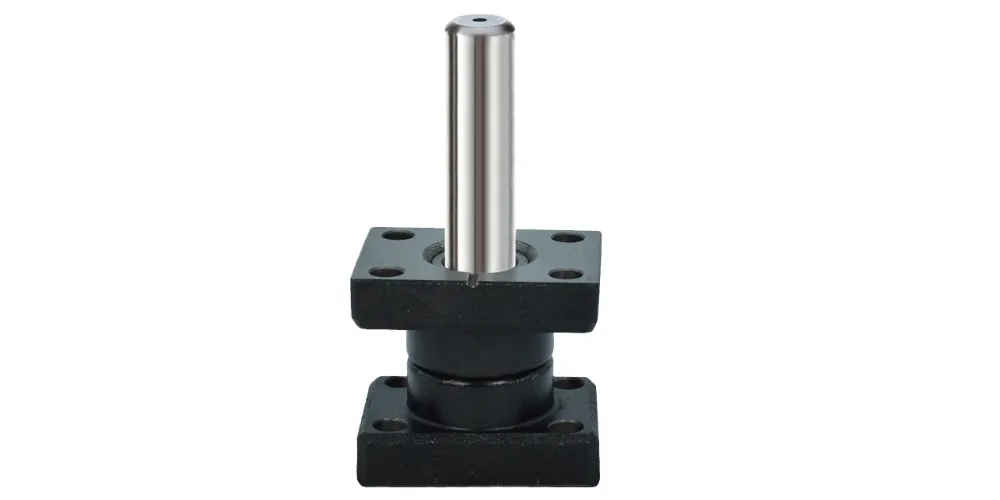
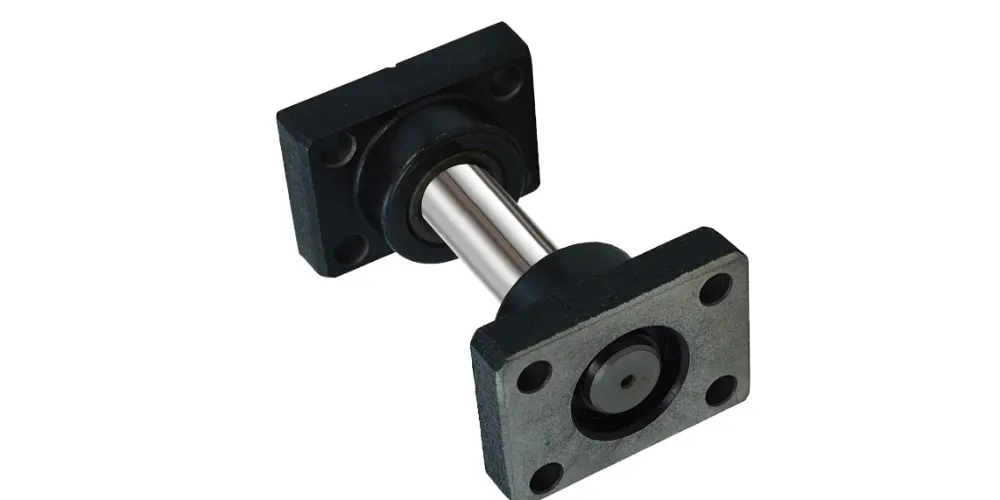
TUB Guide Pillar is a precision mold guiding component specifically designed to provide stable alignment and accurate positioning in stamping dies, mold bases, and industrial tooling systems. Its specialized TUB structure enhances guiding efficiency and supports smooth movement between mating mold components during repetitive manufacturing operations. By maintaining precise alignment, it helps improve product quality and reduce operational wear.
Manufactured from premium-grade bearing steel and alloy steel materials such as SUJ2 and SKD11, the TUB Guide Pillar undergoes advanced heat treatment and precision grinding processes. These manufacturing methods provide excellent hardness, dimensional stability, wear resistance, and long-term durability. The finely finished surface minimizes friction during operation, ensuring smooth movement and reducing maintenance requirements in demanding industrial environments.
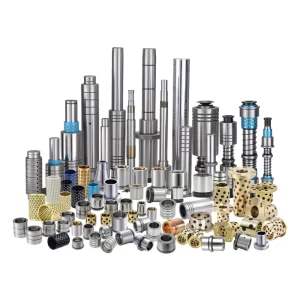
Designed for continuous production applications, the TUB Guide Pillar performs reliably under high-speed and heavy-load operating conditions. It is widely used in stamping molds, injection molds, automated machinery, automotive tooling, and precision die systems. Available in multiple sizes and specifications, the guide pillar can be customized according to customer drawings and technical requirements. Its durable construction, high machining accuracy, and compatibility with international mold standards make it an ideal choice for manufacturers seeking improved tooling precision, extended mold life, and increased production efficiency.
Specifications
| Item | Specification |
|---|---|
| Product Name | TUB Guide Pillar |
| Material | SUJ2 / SKD11 / SCM440 |
| Hardness | HRC 58–62 |
| Surface Treatment | Polishing / Hard Chrome Plating |
| Precision Grade | Precision Ground |
| Surface Roughness | Ra 0.2 – Ra 0.8 |
| Diameter Range | 5mm – 80mm |
| Length Range | 20mm – 800mm |
| Straightness | ≤0.01mm/100mm |
| Tolerance | Custom Available |
| Structure Type | TUB Guide System |
| Custom Service | OEM & ODM Supported |
Three Key Customization Aspects, Tailored to Your Needs
Matching different customization methods to meet various requirements.
Precision Manufacturing, Excellent Quality
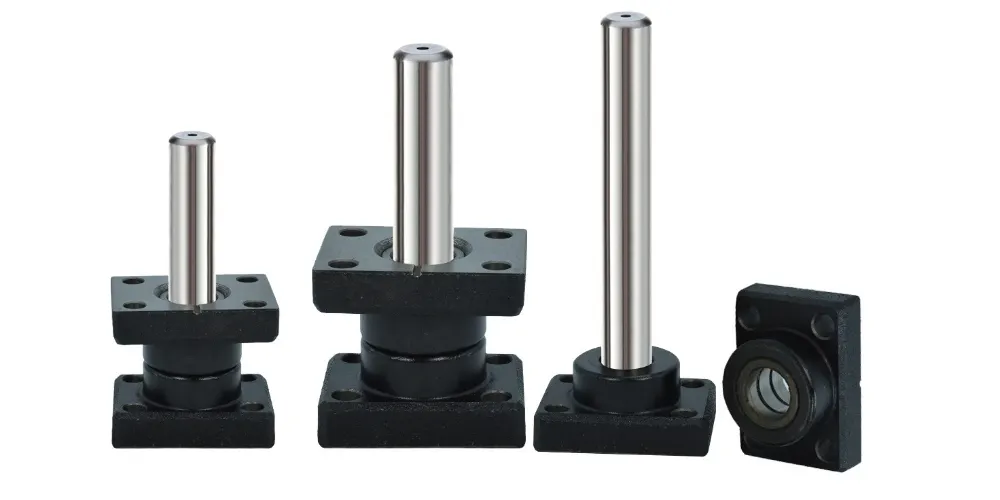
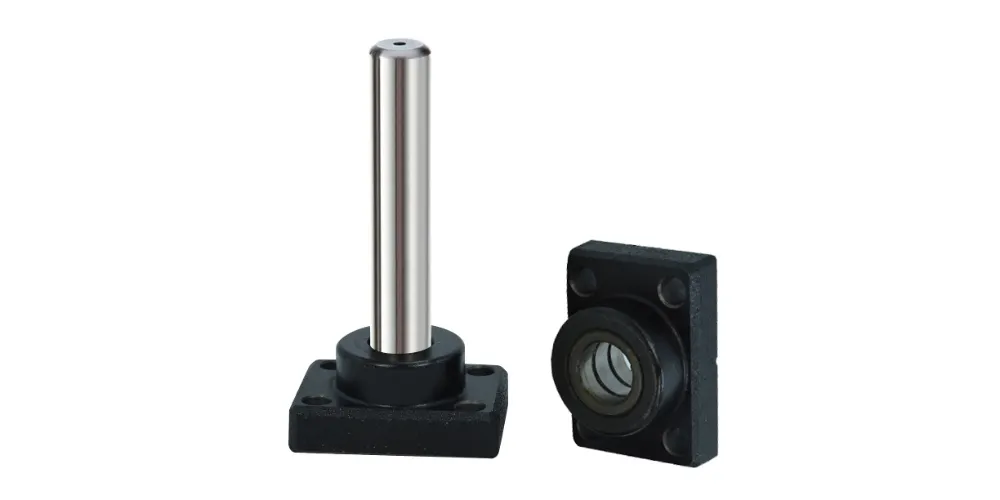
Specialized Guiding Structure
The TUB design enhances guiding effectiveness by providing stable directional control, helping improve operational precision in demanding mold and tooling applications.
Consistent Position Retention
Maintains accurate component positioning throughout repeated production cycles, supporting reliable mold operation and reducing alignment deviations during manufacturing processes.
High Operational Reliability
Engineered for continuous industrial use, the guide pillar delivers dependable performance under varying workloads while maintaining stable guiding characteristics.
Improved Equipment Efficiency
Supports smoother machine operation by optimizing component interaction, helping increase productivity and reduce unnecessary operational interruptions in production environments.
Refined Service, Shortened Delivery Time
From design review to delivery, we provide dedicated one-on-one follow-up throughout the entire process.
Consultation → Provide Drawings → Design Review & Quotation → Order Processing → Quality Inspection → On-time Delivery → After-sales Follow-up
Our Advantages
Backed by over 25 years of engineering experience, our team offers comprehensive services—from customized mold design and precision machining to full-scale production—supported by a robust quality assurance system and proactive customer service. Certified under ISO9001, ISO14001, and IATF 16949, we continually strive for excellence in quality, innovation, and customer satisfaction.
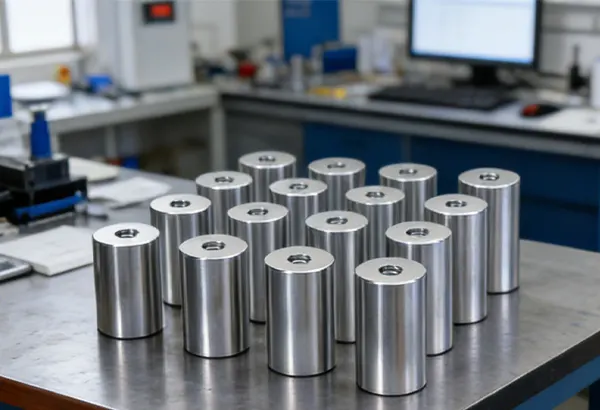
Over 100,000 units in stock, with 2-hour shipment for standard products.
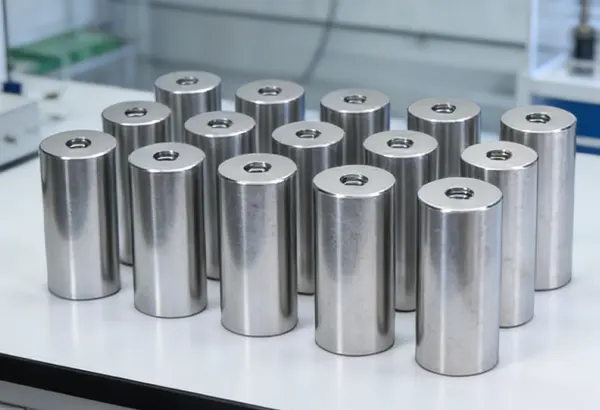
Implementing a three-stage inspection system—initial material check, in-process inspection, and final inspection.
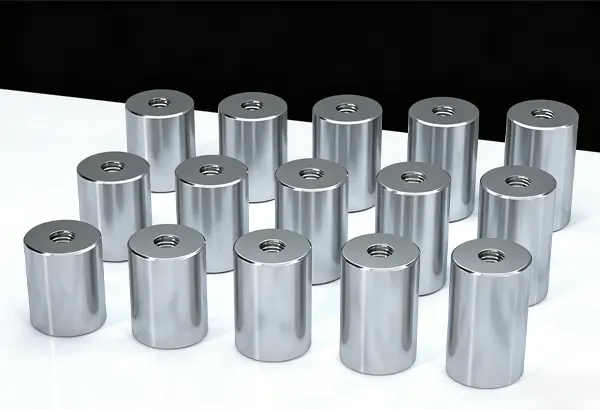
Large inventory and quick turnaround, ensuring on-time delivery with 100% product inspection.
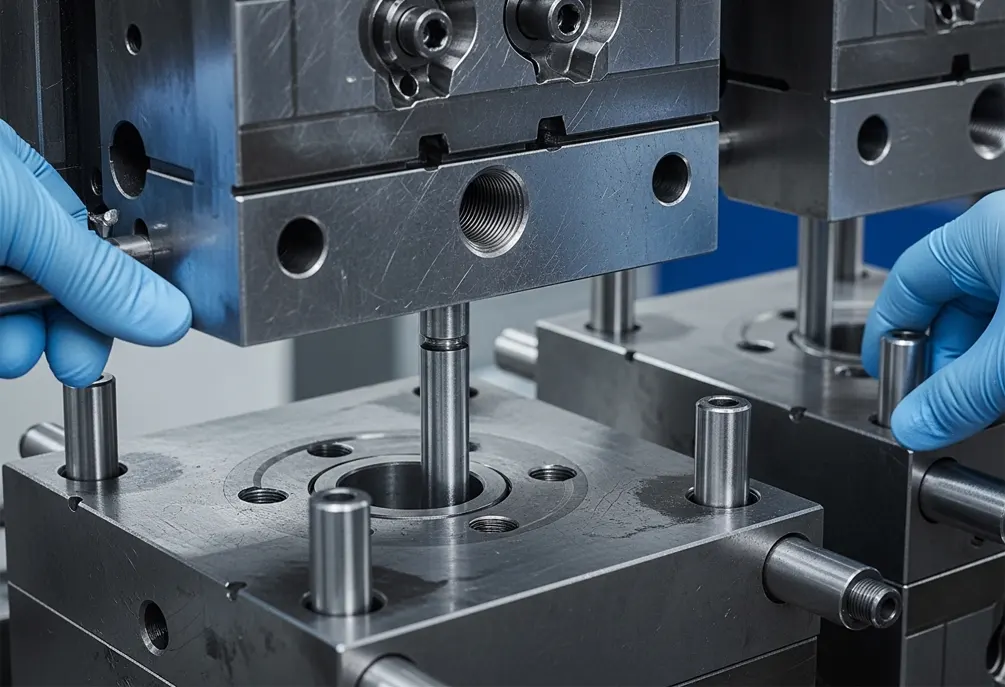
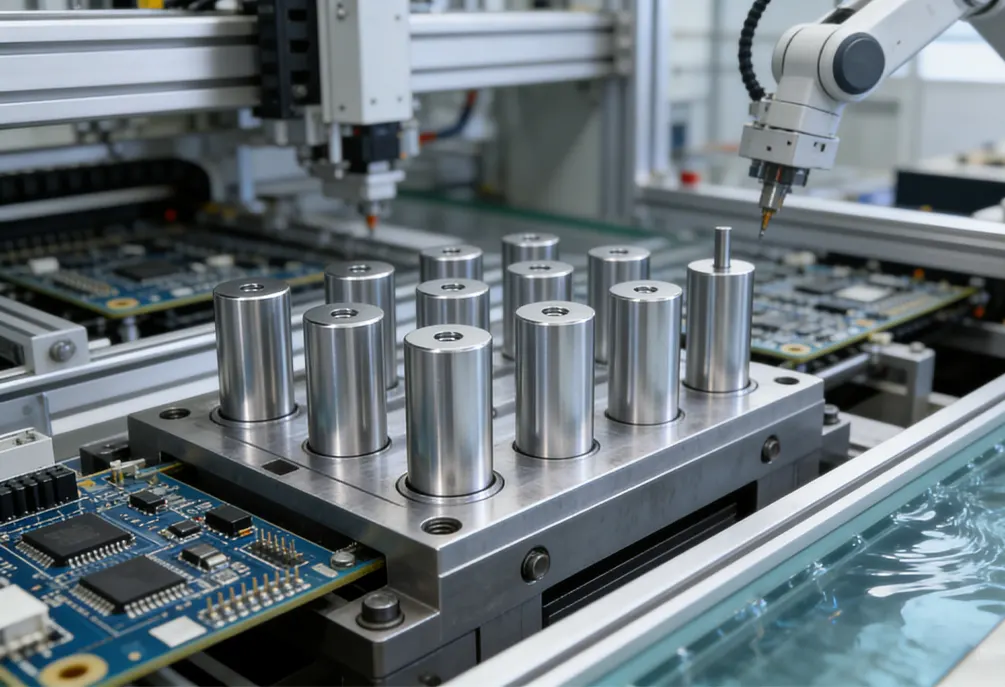
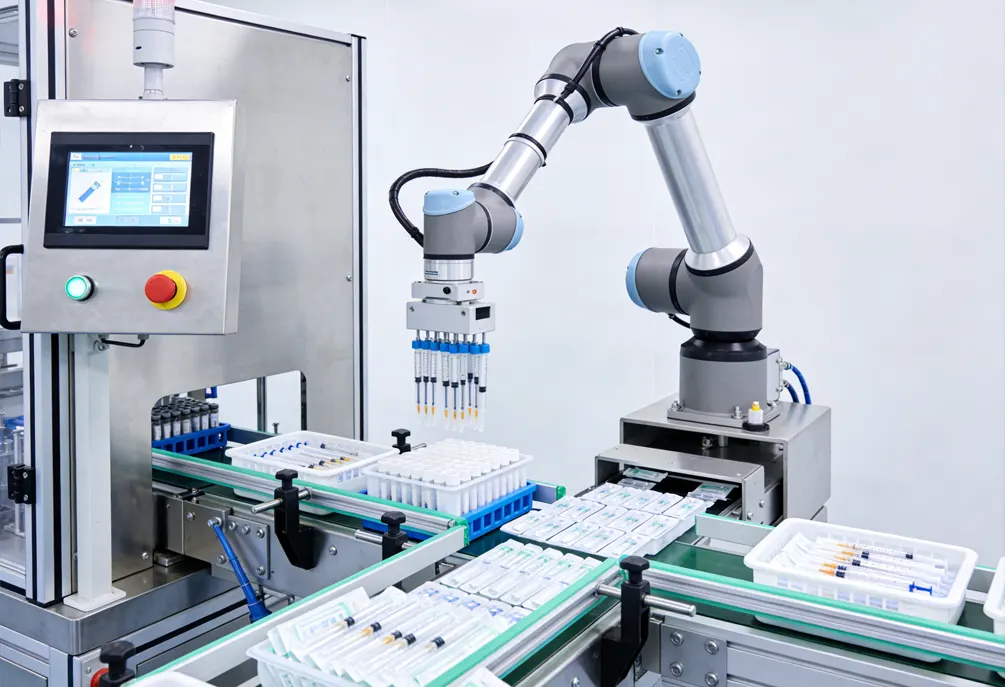
Application Range
The preferred choice across various industries.

FAQ
Q1: What is a TUB guide pillar used for?
It is used to provide precise guidance and stable alignment in mold systems such as stamping dies, injection molds, and industrial tooling equipment.
Q2: What makes the TUB structure different?
The TUB structure improves guiding stability and positioning accuracy, helping ensure smoother movement and better performance in high-precision applications.
Q3: What materials are commonly used?
Common materials include SUJ2, SKD11, and SCM440 alloy steels, which offer high hardness, wear resistance, and long service life.
Q4: Can TUB guide pillars be customized?
Yes. Diameter, length, tolerance, surface treatment, and material can all be customized according to customer drawings and technical requirements.
Q5: What industries use TUB guide pillars?
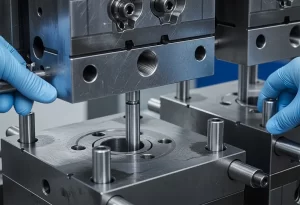
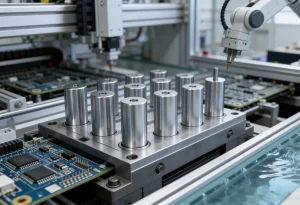
They are widely used in automotive manufacturing, electronics production, metal stamping, plastic molding, and industrial automation systems.